English
 Español
 Deutsch
 عربى
عربى


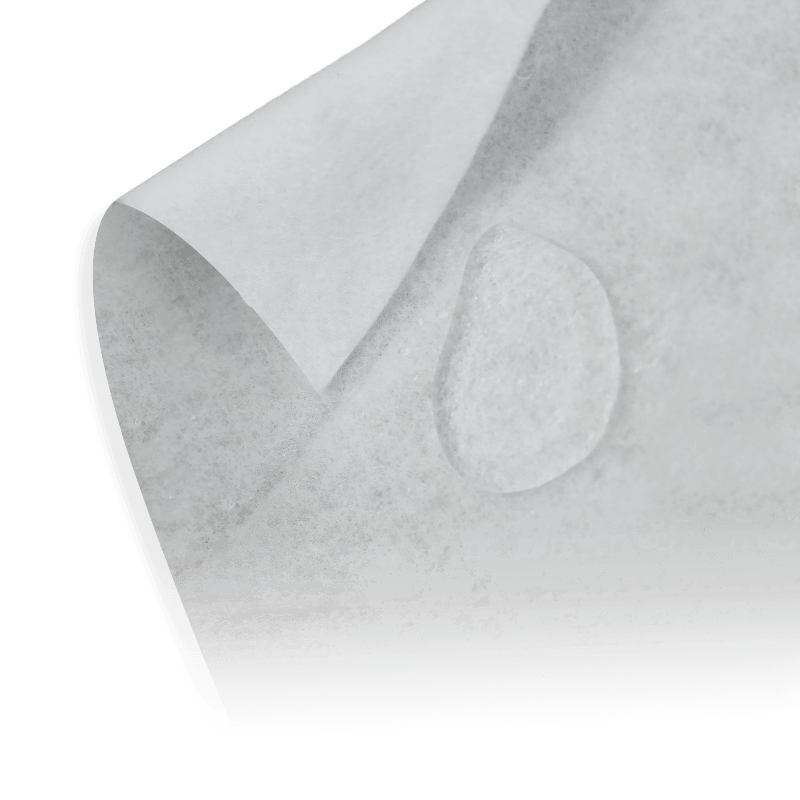
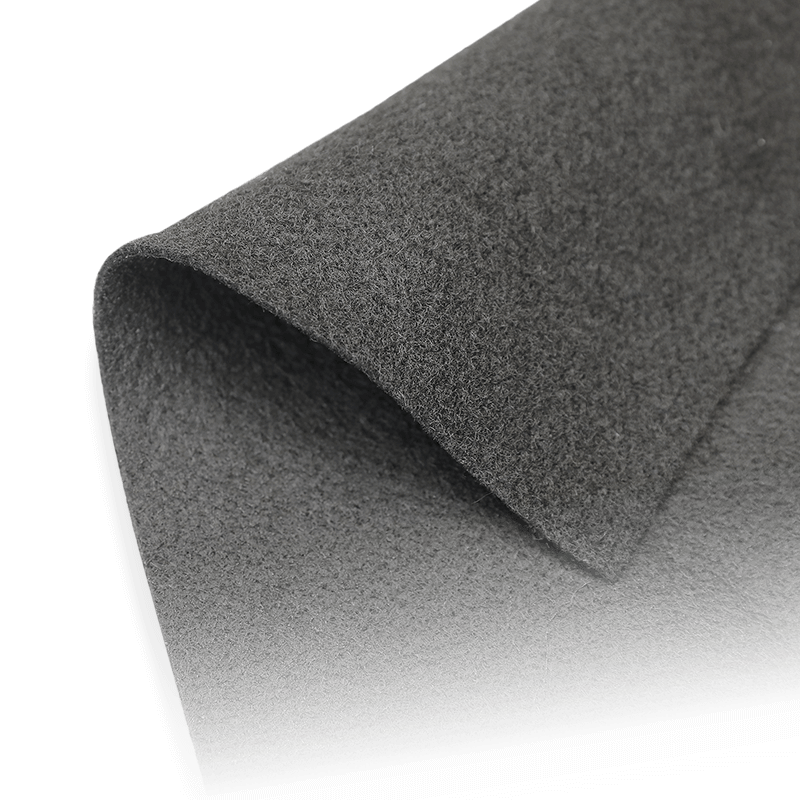
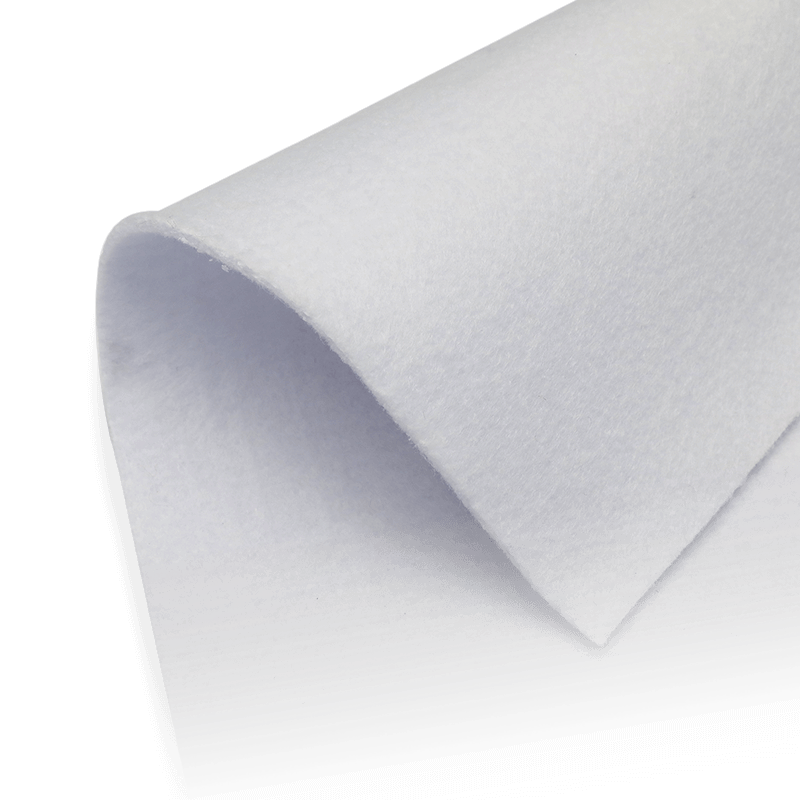
Driven by both global automotive production growth—particularly the rapid expansion of electric vehicles—and a growing emphasis on sustainable solutions, nonwoven materials and related technologies continue to evolve. While woven, knitted, and leather still dominate automotive interior materials, the increasing demand for lightweight, durable, and cost-effective materials is propelling the adoption of nonwovens in the automotive sector. These materials not only help improve vehicle performance and reduce weight but also optimize fuel efficiency. Furthermore, their sound insulation, filtration, and comfort properties make them widely applicable in various automotive interior and exterior applications. The global automotive nonwoven materials market is projected to reach $3.4 billion by 2025 and is expected to continue growing at a CAGR of 4%, expanding to $5 billion by 2035. Among the fibers used in automotive nonwoven materials, polyester currently dominates with a market share of 36.2%, primarily due to its excellent mechanical properties, cost-effectiveness, and broad compatibility with various nonwoven processes. Other major fiber applications include polypropylene, polyamide (and polyethylene), etc. Currently, nonwoven materials are used in over 40 different vehicle components. In interior design, they are widely used in seat fabrics, floor coverings, headliners, roof rack covers, seat back panels, door panel trims, and trunk liners; in functional components, they cover air filters, oil filters, fuel filters, heat shields, engine hoods, and various acoustic and thermal insulation components. Changshu Yanrui Nonwoven Products has developed a sustainable nonwoven material for molded vehicle components that improves sound and heat insulation performance. Its single polymer material can replace traditional multi-layer structures and is suitable for interior and exterior components of passenger cars and commercial vehicles, including chassis protection plates, headliners, wheel arch liners, and trunk liners for both traditional fuel-powered and electric vehicles. This nonwoven material can be produced without the use of any chemicals or adhesives, and its flexible formability allows for the creation of customized, complex component geometries. In addition to its excellent strength and heat resistance, this material effectively reduces noise levels both inside and outside the vehicle, resulting in a quieter, safer, and more comfortable driving experience. Nonwoven materials are playing an increasingly important role in the automotive industry due to their lightweight, durability, and environmental friendliness. Whether it's improving ride quietness, ensuring battery safety, or enhancing interior quality, these new materials are effectively responding to the new demands brought about by the development of electric vehicles, while providing more cost-effective and sustainable options for automobile manufacturing. With continuous technological advancements and expanding applications, nonwoven materials have gradually grown from peripheral auxiliary materials to an indispensable part of automotive design and manufacturing.